





Master Japanese & Unlock Your Future
JFT-Basic & JLPT N4 Preparation
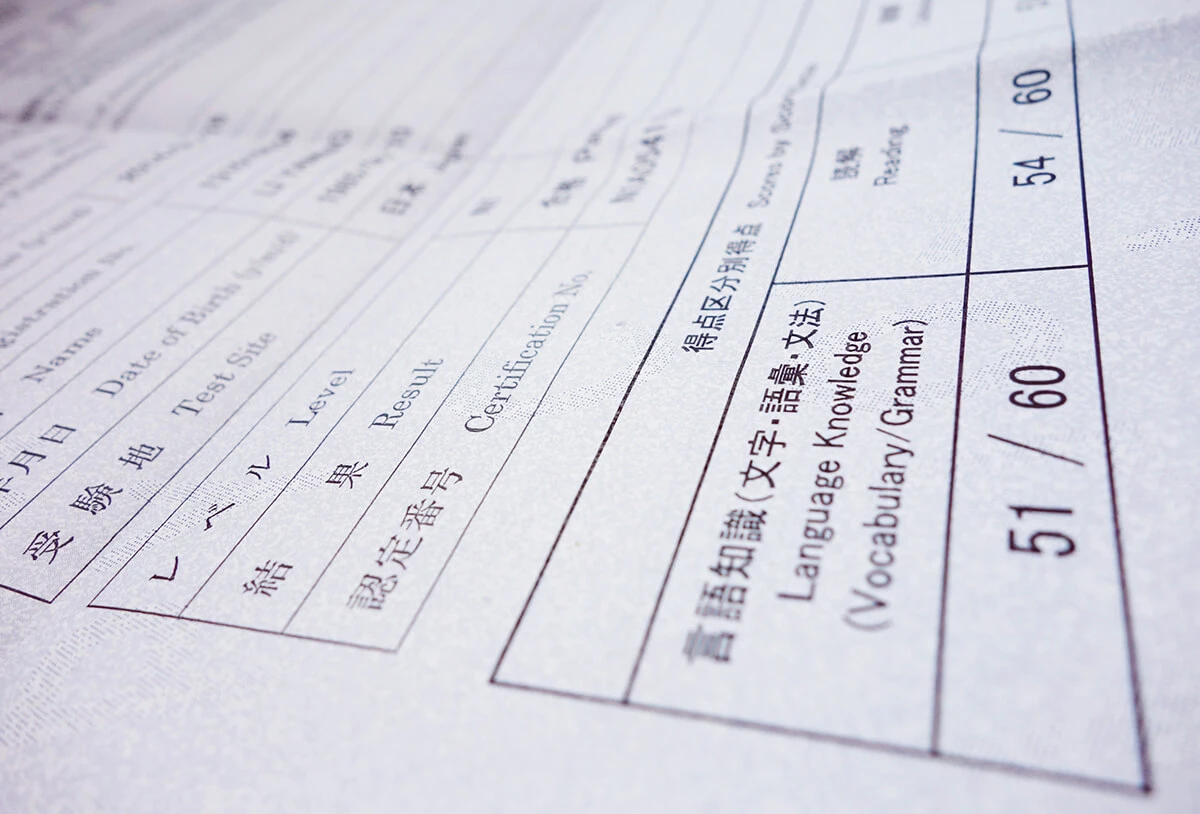
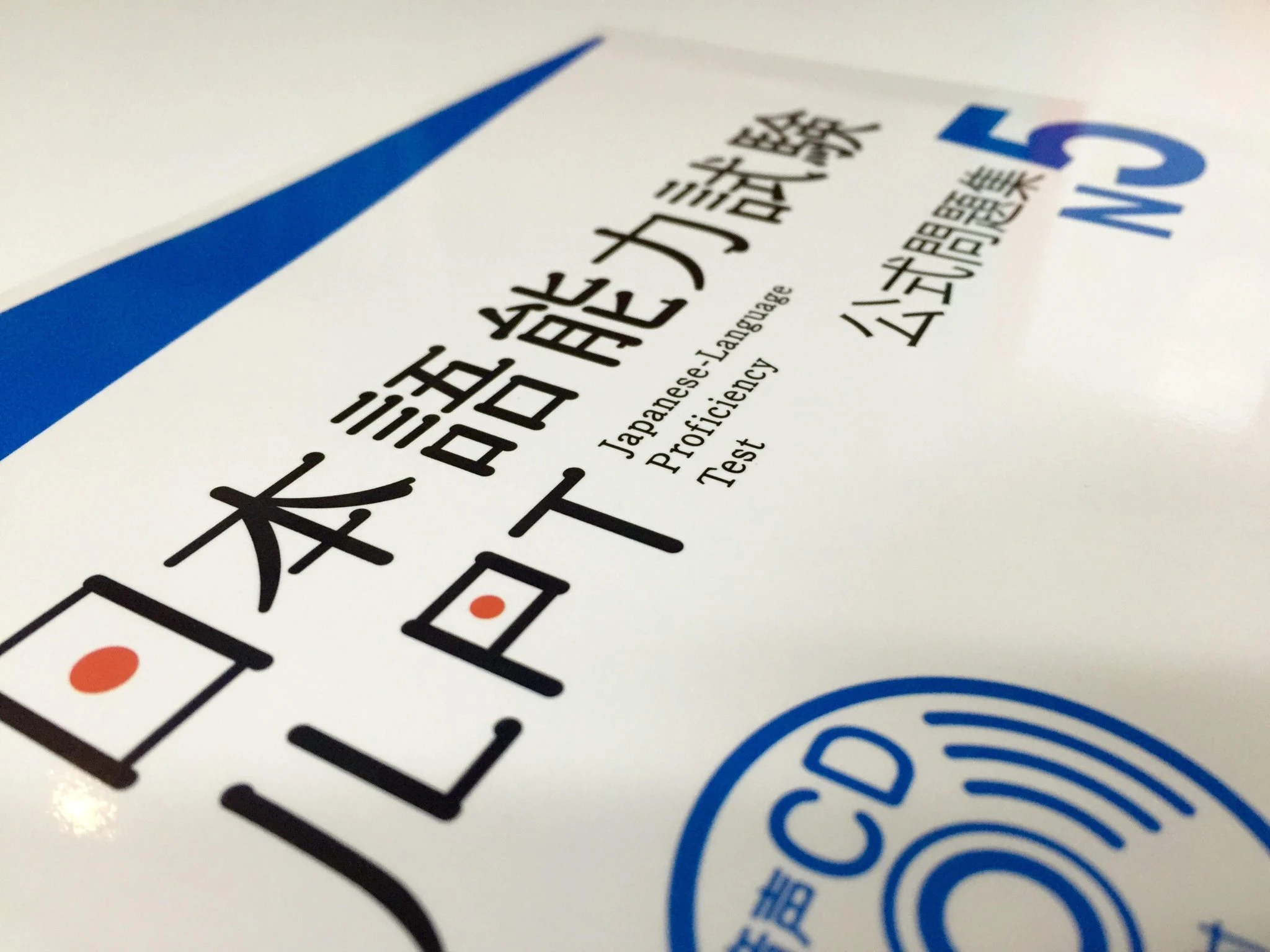
This comprehensive Japanese language preparation course is specifically designed for candidates aiming to live and work in Japan under the Specified Skilled Worker (SSW / Tokutei Ginou) visa program. To qualify for the SSW visa, passing an official Japanese language test—either the JFT-Basic or JLPT N4—is mandatory. This course provides a structured and intensive learning path to help students achieve high scores while building practical language skills for daily life and employment.
Course Structure & Key Learning Modules:
• Comprehensive Grammar & Vocabulary: Master foundational N4 level Japanese grammar patterns, over 1,500 workplace and daily vocabulary words, and approximately 300 essential Kanji characters.
• JFT-Basic Test Strategies: Specialized training focusing on real-life situational questions, computer-based testing (CBT) formats, and time-management techniques.
• Practical Listening & Daily Speaking: Interactive exercises designed around common workplace scenarios, customer service interactions, and essential daily conversations in Japan.
• Business Etiquette & Workplace Culture: Essential modules covering Japanese corporate norms, honorific expressions (Keigo), workplace safety instructions, and effective team communication (Hou-Ren-So).
• Regular Mock Exams & Practice Assessments: Weekly unit tests, full-length simulated mock exams, and personalized feedback to track progress and target weak areas.
By completing this course, students will not only fulfill the language requirements for their SSW visa application but will also gain the confidence, cultural awareness, and communication skills necessary to succeed in Japanese workplaces from day one.
Sector Skill Exam Training
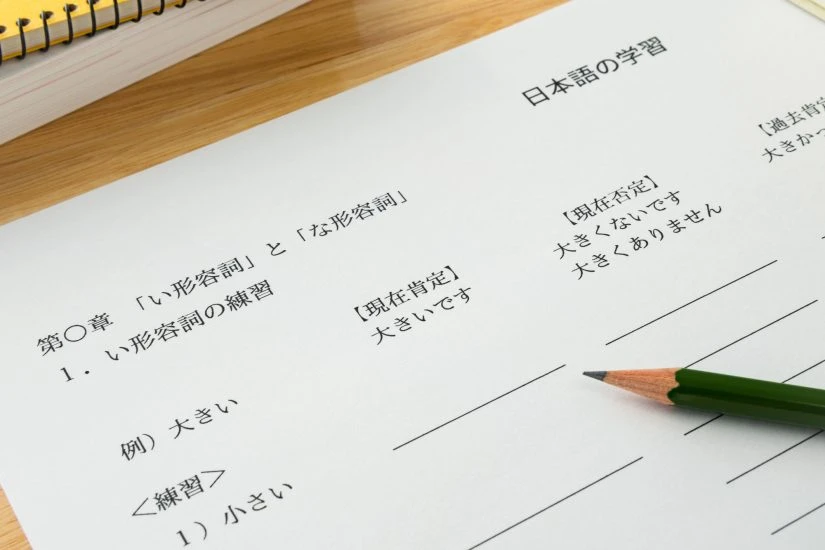
This specialized sub-course is engineered for candidates who have completed their basic Japanese language foundation (JFT-Basic / JLPT N4) and are preparing to pass the official Sector-Specific Skill Evaluation Exams for Japan’s Specified Skilled Worker (SSW / Tokutei Ginou) program.
Rather than focusing on general language, this training delves directly into industry-specific technical knowledge, domain terminology, and practical situational scenarios needed to clear official skill tests across targeted industries.
Key Course Highlights:
• Technical Vocabulary & Industry Jargon: Mastery of domain-specific terminology, specialized tool/equipment names, and operational instructions.
• Worksite Health & Safety Regulations: Essential safety protocols, hazard prevention, warning sign recognition, and workplace standards in Japan.
• Situational & Roleplay Training: Practical simulation of daily workplace interactions, practical tasks, and emergency procedures relevant to working environments.
• CBT Mock Examinations & Test Strategies: Intensive practice using Computer-Based Testing (CBT) question patterns, official past papers, and time-management techniques to maximize test scores.
By completing this course, candidates acquire both the technical domain knowledge and exam confidence required to successfully pass their sector evaluation test and secure employment opportunities in Japan.
Japanese Employer Interview Preparation
This specialized sub-course is designed to prepare Specified Skilled Worker (SSW) candidates to successfully pass formal recruitment interviews with Japanese companies, employers, and sending agencies. Passing an interview requires more than Japanese language ability—it demands an understanding of Japanese corporate communication, professional demeanor, and business etiquette.
Key Course Highlights:
• Resume & Personal Statement Guidance: Step-by-step assistance in filling out official Japanese resumes (Rirekisho) and writing compelling self-introductions (Jikoshoukai) and motivation statements (Shidou Moki).
• Interview Etiquette & Demeanor Training: Practice proper Japanese interview manners, including entering/exiting rooms, bowing angles (Ojigi), posture, and formal eye contact.
• Frequent Questions & Roleplaying: Intensive practice on answering common interview questions regarding work experience, adaptability to Japan, personal strengths, and long-term goals.
• Formal Expression & Business Tone: Training in using polite language (Desu/Masu) and introductory honorifics to project professionalism and respect during live or online interviews.
• Mock Interviews & Feedback: Simulated face-to-face and online (Zoom/Teams) mock interviews with detailed feedback to build confidence and refine delivery.
By completing this course, candidates will present themselves with confidence, professionalism, and cultural awareness, maximizing their chances of securing job offers from Japanese employers.
Culture Training
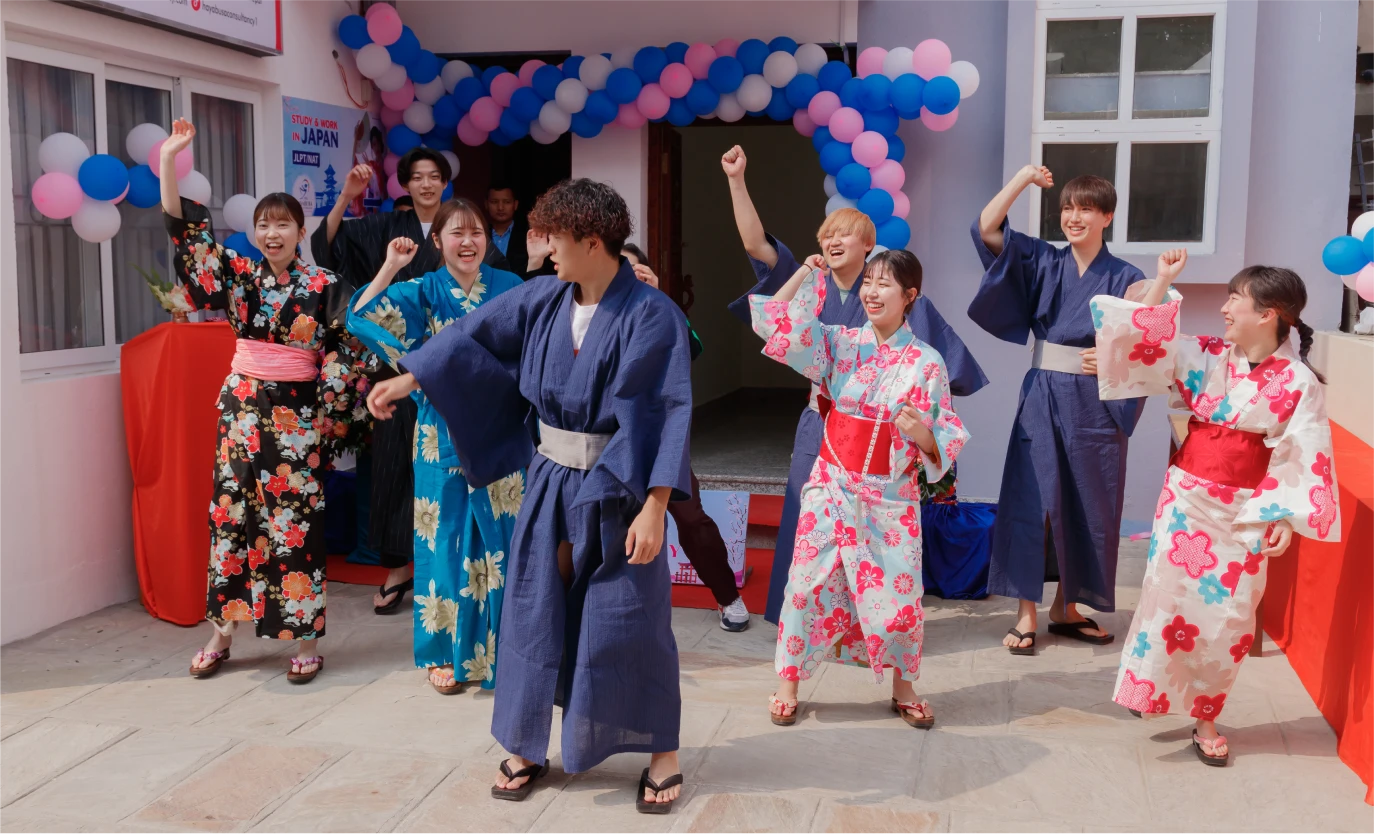
Understanding Japanese culture is crucial for success in an academic setting and daily life. This course likely covers topics like social etiquette, communication styles, and cultural norms. By familiarizing yourself with Japanese customs, Hayabusa aims to smoothen your transition to studying and living in Japan.
Overall, Hayabusa's program offers a comprehensive package to prepare you for studying in Japan at the university level. They focus on building your language proficiency, exam readiness, interview skills, and cultural understanding – all essential for a successful academic journey in Japan.
TITP Pre-Departure Japanese (N5 Level)
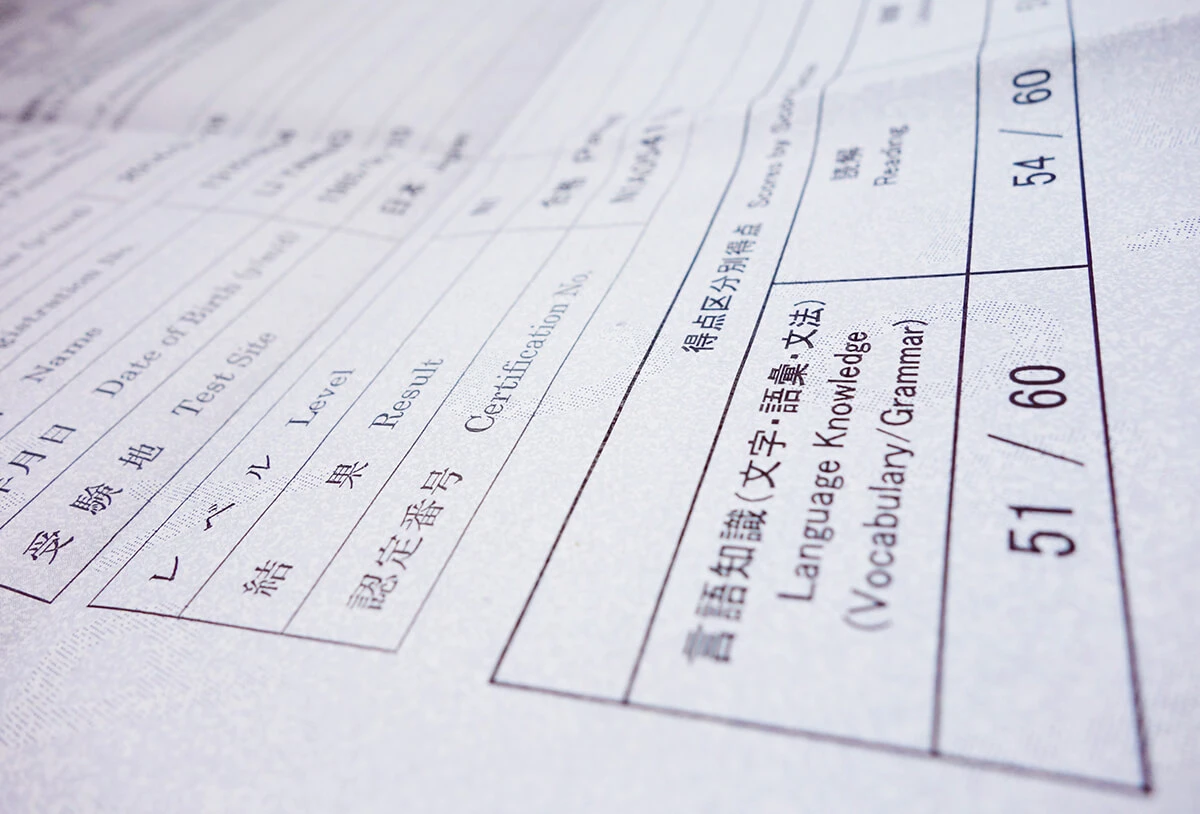
This foundational pre-departure language course is specifically designed for technical intern trainees participating in Japan’s Technical Intern Training Program (TITP). Fulfilling the mandatory pre-departure language requirement, this program provides structured training to take students from absolute beginners to functional N5-level proficiency before traveling to Japan.
Key Course Highlights:
• Script Mastery & Basic Phonetics: Complete reading and writing fluency in Hiragana and Katakana, along with essential everyday Kanji and numerical expressions.
• Essential Grammar & Daily Sentence Patterns: Clear explanation of core N5 Japanese grammar structures, word order, verb conjugations, and everyday sentence construction.
• Daily Life & Workplace Communication: Practical drills focused on self-introductions (Jikoshoukai), basic greetings (Aisatsu), following simple instructions, and asking for assistance.
• Listening Comprehension & Pronunciation: Interactive audio modules simulating standard Japanese accents, common workplace commands, and day-to-day conversation speed.
• Cultural Orientation & Mindset: Basic orientation on Japanese social norms, cleanliness habits, time management (5-minute rule), and communal living rules in company dormitories.
Upon completing this course, trainees build the fundamental language foundation and confidence necessary to clear pre-departure evaluations, communicate basic needs, and integrate smoothly into Japanese technical training centers.
Workplace Technical Japanese & Safety (N4 Level)
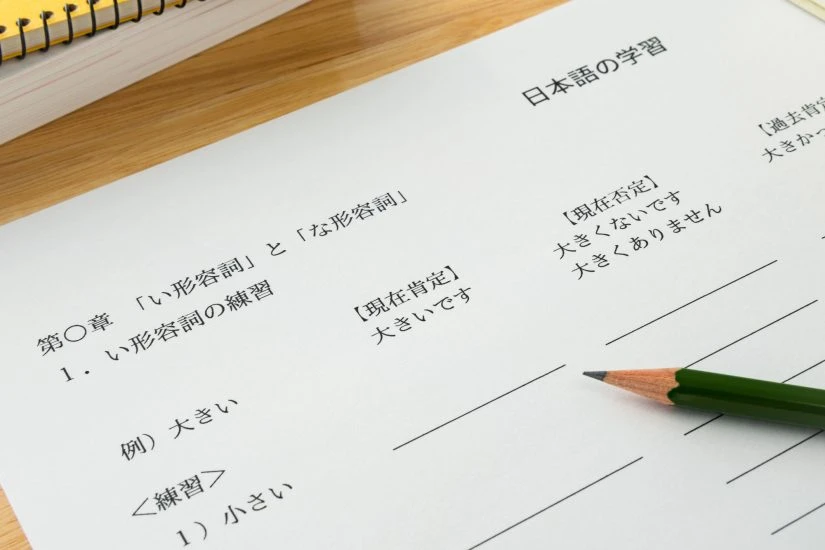
This specialized sub-course builds upon basic language skills to prepare technical intern trainees for the operational and safety demands of Japanese job sites. Tailored for trainees moving into industries such as manufacturing, construction, agriculture, and caregiving, this course bridges general Japanese language learning with practical, on-the-job communication.
Key Course Highlights:
• Industry-Specific Vocabulary: Mastery of technical terminology, tool and equipment names, and standard material handling jargon.
• Health & Safety Protocols (KYT): Practical understanding of hazard prediction training (Kiken Yochi Training), emergency signs, and mandatory worksite safety rules.
• Operational Commands & Instructions: Intensive practice in understanding real-time workplace directives, caution warnings, and task confirmations from site supervisors.
• Quality Control & 5S Principles: Instruction on Japanese workplace discipline, quality standards, and the 5S methodology (Sort, Set in order, Shine, Standardize, Sustain).
By completing this course, trainees develop the practical vocabulary and situational awareness required to work safely, follow technical directions accurately, and prevent accidents from day one in Japan.
Workplace Technical Vocabulary & Safety Japanese
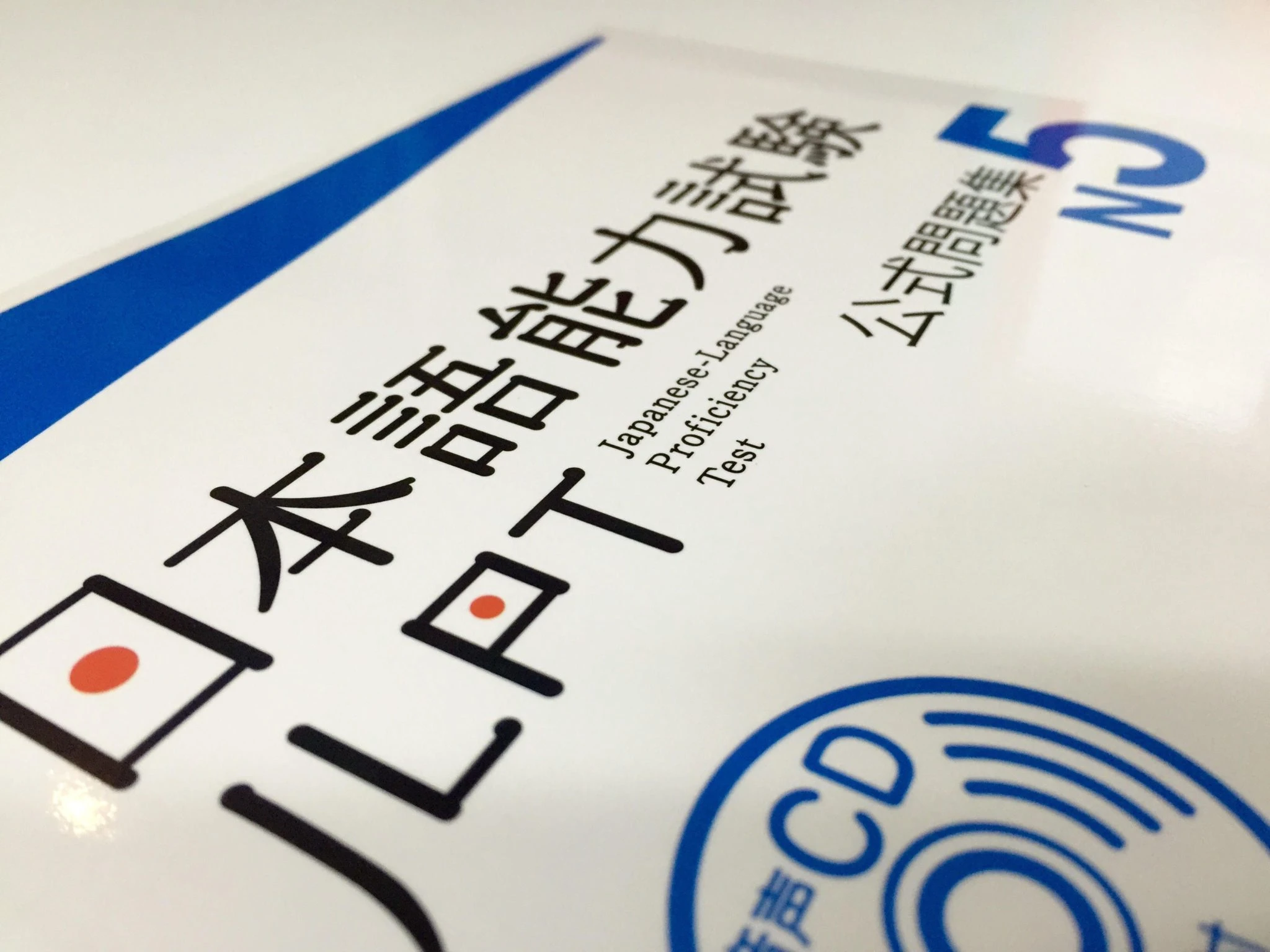
This specialized sub-course is engineered to prepare technical intern trainees for the practical and safety demands of Japanese worksites across manufacturing, construction, agriculture, and service industries. Designed to bridge basic language learning with real-world application, this module equips trainees with essential technical vocabulary, tool terminology, and safety commands.
Key Course Highlights:
• Industry Technical Terms & Tool Names: Mastery of essential workplace jargon, equipment names, and material handling instructions.
• Worksites Health & Safety Protocols (KYT): Practical understanding of Hazard Prediction Training (Kiken Yochi Training), warning signs, and disaster prevention rules.
• Real-time Directive & Confirmatory Practice: Intensive drills in receiving operational instructions from site supervisors, asking for clarification, and confirming tasks accurately.
• Japanese Quality & 5S Methodology: In-depth orientation on Japanese operational standards, quality control, and the 5S principles (Sort, Set in order, Shine, Standardize, Sustain).
By completing this module, trainees build the necessary communication skills and safety awareness required to prevent on-site accidents, follow operational guidelines, and work effectively alongside Japanese supervisors.
Life in Japan & Cultural Orientation
.jpeg)
This comprehensive orientation sub-course is designed to prepare trainees and workers for a smooth cultural and practical transition to daily life in Japan. Understanding Japanese social norms, legal regulations, and lifestyle expectations is essential for avoiding culture shock and ensuring successful long-term living and working experiences.
Key Course Highlights:
• Essential Rules of Daily Living: Practical guidance on Japanese waste management and strict garbage separation rules, housing and dormitory etiquette, noise control, and communal living norms.
• Commuting & Public Infrastructure: Navigation training on Japanese public transit systems (trains, buses, IC cards), rule compliance for cycling, and basic banking or post office procedures.
• Emergency Readiness & Disaster Preparedness: Crucial training on handling natural disasters (earthquakes, typhoons), emergency contacts (110 for police, 119 for fire/ambulance), and accessing medical care.
• Laws, Rights & Social Etiquette: Overview of Japanese traffic safety laws, public decorum, shopping manners, and fundamental workplace/labor rules to protect trainees' rights.
By completing this course, candidates gain the practical knowledge, cultural awareness, and independence needed to confidently navigate daily life in Japan while maintaining harmony within their local communities.